
In Turkey
Organ Transplantation Is The Process Of Transferring An Organ Or Tissue From One Body To Another, Known As A "Allograft", Or Replacing Damaged Tissue In One Body By Transferring A Part Of Healthy Tissue To The Damaged Area, Known As An "Autograft".
Organ Transplantation Is Complex And Challenging. For Carefully Selected Patients With Organ Failure It May Extend Survival And Improve Quality Of Life; Options And Risks Are Assessed For Each Patient Individually.
Examples Of Organ Transplantation Include Heart, Liver, Kidney, Lung, Intestine And Pancreas Transplants. Tissue Transplantation Includes Thymus Tissue (In Rare Specialist Cases), Bones, Tendons (Bone And Muscle Grafts), Corneas, Skin, Heart Valves, And Veins.
Before The Procedure, You Will Meet With Several Members Of The Multidisciplinary Medical Team, Which Includes:
- Clinical Nursing Specialist
- Transplant Specialist
- Cardiologist Specialist
- Gastroenterologist Specialist
- Anesthesiologist Specialist
Nutrition Specialist
After Consulting With The Team And Reviewing The Test Results, The Transplant Surgeons Will Discuss Their Recommendations With You.
Since Organ Transplantation Is A Very Important Procedure, Our Center Provides The Right And Competent Staff To Perform Such Surgeries. We Also Do Not Forget The Post-Operative Medical Care, Which Plays A Crucial Role In The Patient’s Recovery Process.
Surgical Steps
In Fact, The Steps Of Organ Transplantation Vary Depending On The Organ Being Transplanted And Other Factors Assessed By The Medical Team.
Organ Transplant Surgery Is Characterized By The Execution Of Specific Procedures To Minimize The Period Of Blood Supply Interruption To The Organ Being Transplanted. This Period Starts From The Cessation Of Blood Flow To The Organ And Its Transfer To The Medical Center Where The Most Suitable Patient Is Awaiting To Receive The Organ, Until The Moment The Organ Reaches The Patient’s Circulatory System.
After The Surgery
This Point Is Considered One Of The Most Important Aspects Of Organ Transplantation. Therefore, We Provide Exceptional Care Tailored To The Type Of Surgery And The Patient’s Requirements. This Is Because The Recipient’s Immune System Can Reject And Destroy The Transplanted Organ Or Tissue. Chronic Use Of Immunosuppressive Medications Is Necessary To Suppress And Inhibit This Immune Response, Thus Preventing The Body From Rejecting The Transplanted Organ And Increasing The Chances Of Long-Term Survival.
The Treatments Used Vary Depending On The Tissue Or Organ Being Transplanted, The Compatibility Level Between The Donor And Recipient, And Other Factors.
Types Of Organ Transplantation We Offer At Tedavi
Heart Transplantation
Heart Transplantation Is A Procedure In Which A Diseased Heart Is Replaced With A Healthier Donor Heart. Heart Transplantation Is Typically A Treatment Reserved For Individuals Whose Condition Has Not Improved Enough With Medications Or Other Surgeries. It Is Often Performed Due To Heart Muscle Weakness (Cardiomyopathy), Coronary Artery Disease, Heart Valve Disease, A Congenital Heart Defect, Or Recurrent Life-Threatening Abnormal Heart Rhythms (Ventricular Arrhythmia).
Heart Valve And Vein Transplantation
Heart Valve And Vein Transplantation Is A Therapeutic Medical Procedure That Is Used When At Least One Of The Four Heart Valves Is Not Functioning Properly. Since The Heart Valves Regulate Blood Flow In The Correct Direction Through The Heart, Any Issue With Any Of The Four Valves (Mitral Valve, Aortic Valve, Tricuspid Valve, Pulmonary Valve) Is Considered A Serious Problem.
Liver Transplantation
Liver Transplantation Is A Complex And Delicate Surgical Procedure Aimed At Removing The Damaged, Non-Functioning Liver And Replacing It With A Healthy Liver, Or At Least A Part Of A Healthy Liver. As Is Well Known, The Liver Is The Largest Internal Organ In The Human Body, Responsible For Critical Functions Such As (Processing Nutrients The Body Needs, Along With Medications And Hormones, Producing Bile To Help The Body Absorb Fats, Vitamins, And Cholesterol, Producing Proteins, Detoxifying The Blood From Bacteria And Toxins, And Boosting The Immune System). Therefore, Any Problem Affecting The Liver Requires Very Cautious Handling.
Tissue Transplantation (Bone And Muscle Grafting)
Tissue Transplantation Is A Surgical Procedure Aimed At Repairing A Part Of The Skeletal Or Muscular Structure In The Human Body By Transplanting Tissue Into The Damaged Area. Tissue Transplantation Is A Complex Procedure And Usually Occurs Only In Cases Of Extreme Necessity. One Of The Most Common Situations For Tissue Transplantation Is When There Is Damage To The Muscles Or Bones That Disrupts The Body's Function And Cannot Be Treated With Medications Or Traditional Therapies. In This Case, Tissue Transplantation Is Performed To Graft Bone Or Muscle To Prevent The Injury From Worsening And The Damage From Spreading To Other Tissues Of The Affected Organ.
Skin Transplantation
Skin Transplantation Is A Surgical Procedure In Which Skin Is Removed From One Area Of The Body And Grafted To Another Area. It Is Often Done For Aesthetic Purposes, But In Some Cases, It Is Therapeutic. Common Cases That Require Skin Transplantation Include Skin Damage Due To Infections, Third-Degree Burns, Wounds, Infections, Or Ulcers Where The Skin Has Not Grown Normally, Skin Cancer, And Even Cosmetic Reasons Such As Breast Reconstruction After Mastectomy. Despite The Risks Associated With The Procedure, It Is Often Necessary To Improve The Patient's Quality Of Life.
Intestinal Transplantation
Intestinal Transplantation Is A Procedure Aimed At Replacing A Patient's Damaged Intestines With Healthy Ones From A Donor. A Patient May Need An Intestinal Transplant When Their Intestines Are Not Functioning Properly, Meaning They Do Not Allow Sufficient Nutrients To Reach The Body. Intestinal Transplantation Is Commonly Performed To Treat Several Health Conditions, Including (Severe Intestinal Dysfunction That Prevents Adequate Nutrient Absorption, Intestinal Diseases That Impair Function, Or Tumors And Abscesses In The Intestines That Lead To Blockages). Since The Intestines Are The Body's Means Of Absorbing Nutrients From Food, Any Damage That Disrupts Their Function And Fails To Be Resolved With Medication Makes Intestinal Transplantation A Viable Option To Save The Patient's Life.
Thymus Tissue Transplantation
The Thymus Is An Immune Organ, Not A Hormone Gland That Regulates Metabolism, And It Is Different From The Thyroid Gland. Thymus Tissue Transplantation Is A Rare, Highly Specialized Treatment Used To Rebuild The Immune System In Children Born Without A Thymus (Congenital Athymia). It Is Not A Treatment For Thyroid Disorders, Hormone Replacement Or Thymic Tumors. Whether It Is Available Is Confirmed Individually By Specialist Centers. [FDA: rethymic]

Kidney Transplantation
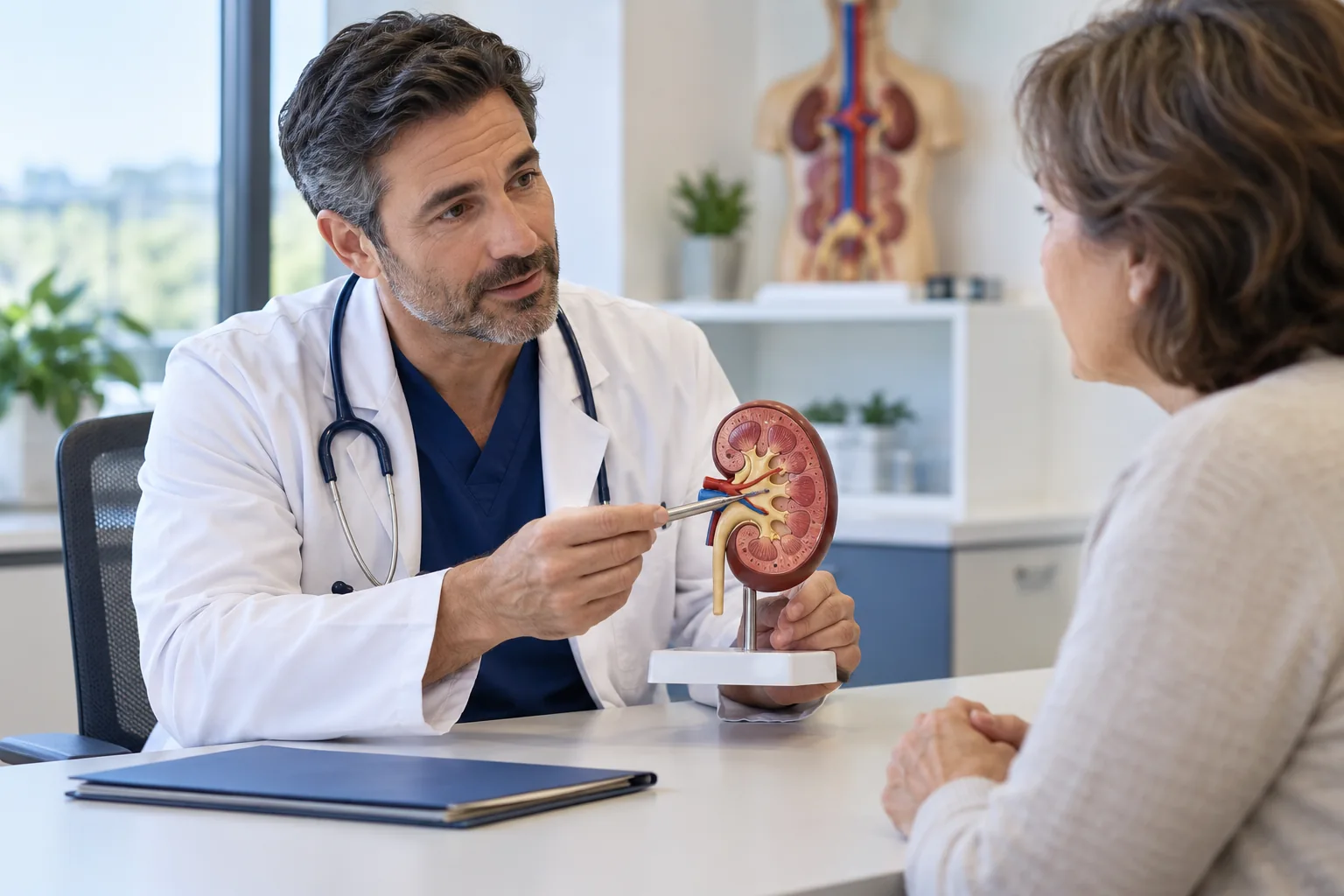
Kidney Transplantation Is A Surgical Procedure In Which A Healthy Donor Kidney Is Placed In A Patient Whose Own Kidneys Can No Longer Perform Their Essential Functions. The Kidneys Filter Waste, Fluids And Minerals From The Blood And Excrete Them In Urine. When They Fail, Toxins Build Up In The Body, Which Can Lead To High Blood Pressure And End-Stage Kidney Disease. Treatment Options For Kidney Failure Include Dialysis, Kidney Transplantation And, For Some Patients, Conservative Care; The Right Option Is Decided Through Individual Medical Assessment. [NHSBT: alternatives to a kidney transplant]
Lung Transplantation
Lung Transplantation Is A Surgical Procedure Where The Patient's Damaged Lung Is Removed And Replaced With A Healthy One. Lung Transplantation Is Often The Only Option For Patients After Medications Have Proven Ineffective. It Is Not Always Necessary To Replace Both Lungs; Sometimes, Only One Lung Is Transplanted. Despite The High Risks Associated With The Procedure, It Can Significantly Improve The Patient's Quality Of Life. Lung Transplants Are Often Considered When The Lungs Fail To Deliver Oxygen To The Body. Common Causes For This Include (Chronic Obstructive Pulmonary Disease, Lung Scarring, Cystic Fibrosis, Pulmonary Hypertension). Since The Human Body Cannot Survive Without Oxygen, If The Lungs Fail And All Medications Fail, A Lung Transplant Is Critical To Save The Patient's Life.
Pancreas Transplantation
In Pancreas Transplantation, A Healthy Donor Pancreas Is Transplanted, While The Patient’s Own Pancreas Is Usually Left In Place. The Pancreas Produces Insulin, The Hormone That Helps Sugar Enter The Cells. Pancreas Transplantation Is Considered For Selected People With Diabetes, Mainly Type 1 Diabetes With Serious Complications Or Very Unstable Blood Sugar; It Is Not A Routine Treatment For Pancreatic Or Bile Duct Cancer. When The Kidneys Have Also Failed, A Pancreas Transplant Is Often Performed Together With A Kidney Transplant. [NHS: during and after your transplant]
Cornea Transplantation
Cornea Transplantation Is A Complex Surgical Procedure Aimed At Replacing A Patient's Damaged Cornea With A Healthy One From A Donor. This Surgical Procedure Is Known As "Keratoplasty." The Cornea Is A Part Of The Eye, And Its Function Is To Allow Light To Enter The Eye In A Way That Enables Clear Vision. If The Cornea Is Damaged And Medications Fail, The Treating Doctor May Recommend A Corneal Transplant To Restore Eye Function And Alleviate The Pain Caused By The Damaged Cornea. Common Conditions That Require A Corneal Transplant Include (Corneal Ectasia, Fuchs' Dystrophy, Corneal Thinning, Corneal Scarring, Corneal Edema, Corneal Ulcers). Despite The Risks Associated With The Surgery, The Success Rate Is Generally Very High, And It Is Often An Ideal Option For Restoring Eye Health.
Organ Transplantation Surgery In Turkey
Organ Transplantation Surgery In Turkey, Or The Process Of Organ And Tissue Transfer, Is Divided Into Two Types. The First Type, Known As “Allograft,” Involves Transplanting An Organ Or Tissue From One Body To Another. The Second Type, Known As “Autograft,” Involves Replacing Damaged Tissue In One Body By Transplanting A Piece Of Healthy Tissue To The Affected Area.
Organ Transplantation Is A Complex And Challenging Procedure, But It Can Be An Important Option For Treating Organ Failure And Can Significantly Improve Quality Of Life. It Is Not A Guaranteed Definitive Cure: Most Solid-Organ Recipients Need Lifelong Follow-Up And Medicines That Suppress The Immune System.
Risks And Complications
As Mentioned Earlier, Organ Transplantation Is A Complex And Challenging Procedure, And There Is Certainly A Risk Involved. The Risk Percentage Varies Depending On The Organ Being Transplanted, Along With Several Other Factors Assessed By The Medical Team. Some Of The Risks The Patient May Face Include Organ Rejection, The Transmission Of Viruses And Bacteria, The Risk Of Cancer Due To Long-Term Use Of Immunosuppressants, As Well As The Potential Development Of Atherosclerosis, Gout, Kidney Problems, Graft-Versus-Host Disease (GVHD), And Osteoporosis.
Post-Operative Care And Rehabilitation
At Tedavi, We Fully Recognize The Importance Of Post-Operative Care And Patient Rehabilitation. Therefore, We Provide Exceptional Care Tailored To The Type Of Procedure And The Patient’s Specific Needs, Especially Given The Risks Of The Recipient’s Immune System Rejecting Or Destroying The Transplanted Organ Or Tissue.
Why Choose Tedavi For Organ Transplantation?
At Tedavi, We Combine Medical Expertise With Advanced Technology. We Have A Specialized Medical Team And Work With Experienced Surgeons. All Our Procedures Are Carried Out According To Recognized Safety Standards, In Rooms Equipped With The Latest Equipment And Technology.
Frequently Asked Questions
Can I Choose The Organ Donor For My Transplantation?
Yes, It Is Certainly Possible, Provided That The Blood Type Matches, Along With A Set Of Health Conditions That Are Tested Before The Procedure.
What Lifestyle Changes Will I Need To Make After An Organ Transplant?
It Depends On The Type Of Organ Transplantation Performed And The Success Rate Of The Procedure.
How Long Does The Recovery Process Typically Take After An Organ Transplant?
What Are The Potential Complications Associated With Organ Transplantation?
Potential Complications Include Organ Rejection, The Transmission Of Viruses And Bacteria, Or The Risk Of Cancer Due To Long-Term Use Of Immunosuppressants. Additionally, There Is A Risk Of Developing Atherosclerosis, Gout, Kidney Problems, Graft-Versus-Host Disease (GVHD), And Osteoporosis.
Is Organ Rejection Common, And How Is It Managed?
Yes, The Body May Reject The Transplanted Organ, And This Is Typically Managed Through The Long-Term Use Of Immunosuppressants.
Can I Participate In Physical Activities After An Organ Transplant?
Is Organ Transplantation A Good Treatment?
It Can Be A Valuable Treatment For Organ Failure And Can Significantly Improve Quality Of Life, But It Is Not A Guaranteed Definitive Cure. Most Solid-Organ Recipients Need Lifelong Follow-Up And Immunosuppressive Medicines.
Can You Still Donate Your Organs If You Have Some Health Issues?
It Depends On The Type Of Health Issues You Have And The Organ You Are Looking To Donate.
Contact Us To Get More Information About Organ Transplantation In Turkey With Tedavi.
Request a free consultation
Request a consultation about Organ Transplantation
Leave your name and number and a member of the TEDAVI team will call you to understand your needs. This is a contact request, not a diagnosis or an immediate doctor appointment.